
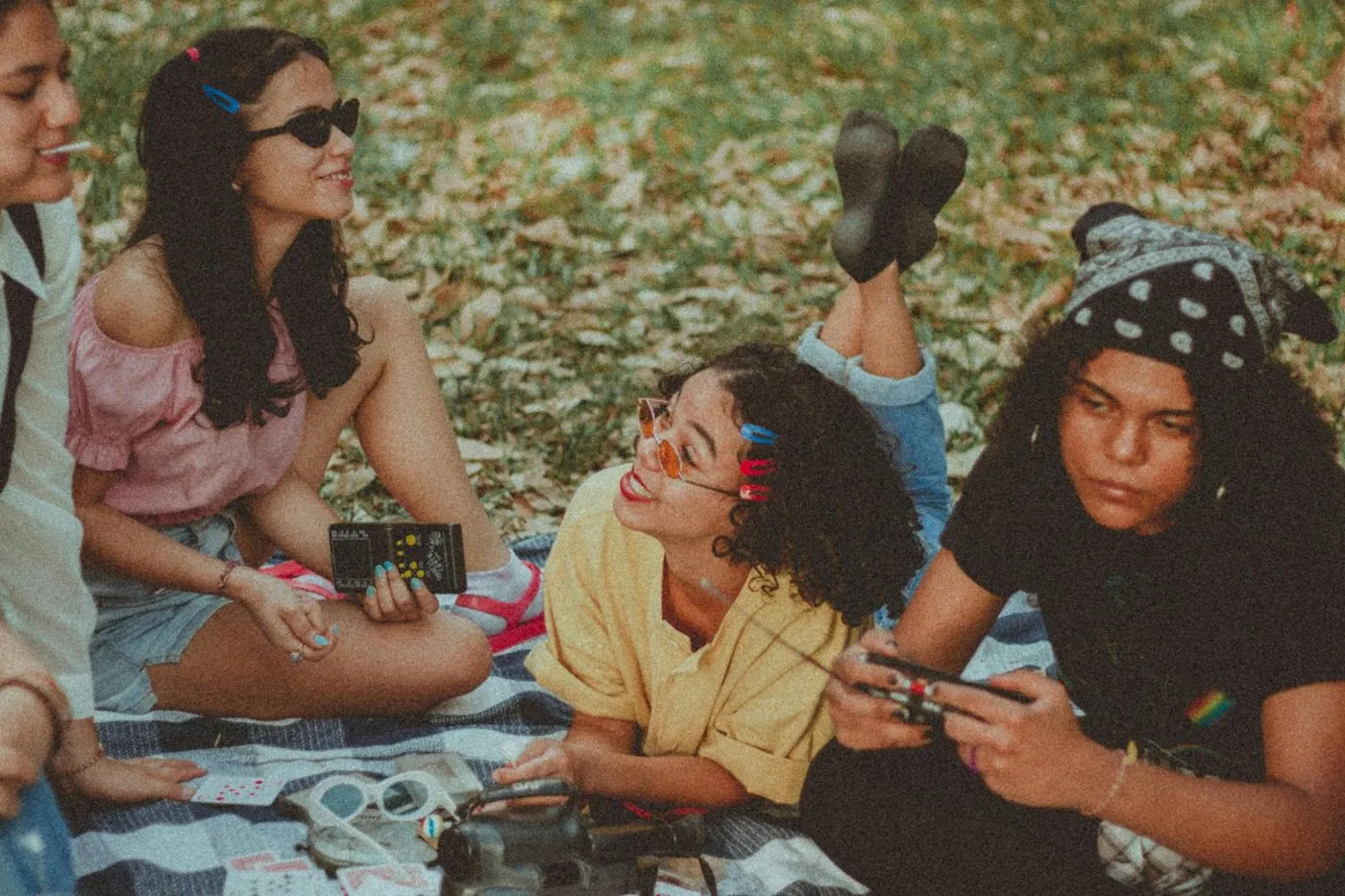
If you've ever thought "Why was this so easy at 19?", you're not imagining it. Friendship didn't get harder because you got worse at it. The setup changed.
Why is it so hard to make friends as an adult?
College was a friendship machine. You lived near hundreds of people your age. You saw the same faces in class, the dining hall and the dorm hallway. And you had huge chunks of unscheduled time to fill.
That combination is the recipe for friendship: being near the same people, again and again, with time to just hang out.
After graduation, all of that disappears at once:
- You stop seeing the same people by default. Work, the gym and your apartment building don't create the same repeat contact.
- Your time gets scheduled. Free time becomes something you plan, not something that happens.
- Everyone scatters. Friends move cities, start relationships or have kids, and the group thins out.
- Starting feels risky. Asking a near-stranger to hang out feels like asking someone on a date.
How long does it take to make a friend as an adult?
It takes a lot more time together than most people expect. Going from acquaintance to casual friend to close friend usually means dozens of hours spent together, not one great conversation.
That's why one-off events rarely work. You meet someone fun at a party, swap numbers and never see them again. The friendship never gets enough reps.
What actually helps you make friends after college?
1. Pick something that repeats. A weekly run club, a rec league, a class that meets for six weeks. Repetition does the heavy lifting, the same way your dorm hallway used to.
2. Choose activities over hangouts. "Want to get coffee?" is a lot of pressure. "Want to join our trivia team Thursday?" has a built-in reason to be there and something to talk about.
3. Go three times before you judge it. The first time is awkward for everyone. Most groups warm up by the third visit.
4. Be the one who makes the plan. Most people are waiting to be invited. Whoever suggests "tacos after next week's game?" becomes the center of the group.
5. Follow up within a week. If you clicked with someone, text them before the momentum fades. Send a specific plan, not "we should hang sometime."
6. Say yes more than feels natural. Early on, every invite matters. Even the ones that sound only kind of fun.
Is it normal to have no friends after college?
Very normal, and more common than people admit. Lots of adults in their 20s and 30s say they wish they had more friends nearby, especially after moving to a new city. It's not a sign that something is wrong with you. It's a sign your life lost the structure that used to make friends for you.
Where can adults go to make friends?
The best places have a regular schedule and a shared activity: run clubs, sports leagues, climbing gyms, group hikes, volunteer programs, book clubs and classes. If you're in Denver, our guide to things to do in Denver when you don't know anyone is a good place to start.
WentSwell was built for this exact problem. Instead of swiping on profiles, you join real plans with a time, a place and open spots, like pickleball, trivia or a sunrise hike. Here's how friendship works on WentSwell.
Questions people ask
Why is it harder to make friends after college?
College gives you constant repeat contact with the same people and lots of free time. After graduation, both disappear, so friendships have to be built on purpose.
How do you make friends in your late 20s or 30s?
Join something that meets regularly, like a sports league, run club or class, and keep showing up. Then turn group time into one-on-one time by suggesting a specific plan.
What's the best way to make friends in a new city?
Pick one or two recurring activities and commit to them for at least a month. Activity-based apps like WentSwell can help you find plans with people who want to do the same things you do.
Are friendship apps worth it?
They can be, especially ones built around doing something together instead of chatting endlessly. Meeting over a shared activity takes the pressure off and gives you a reason to meet again.